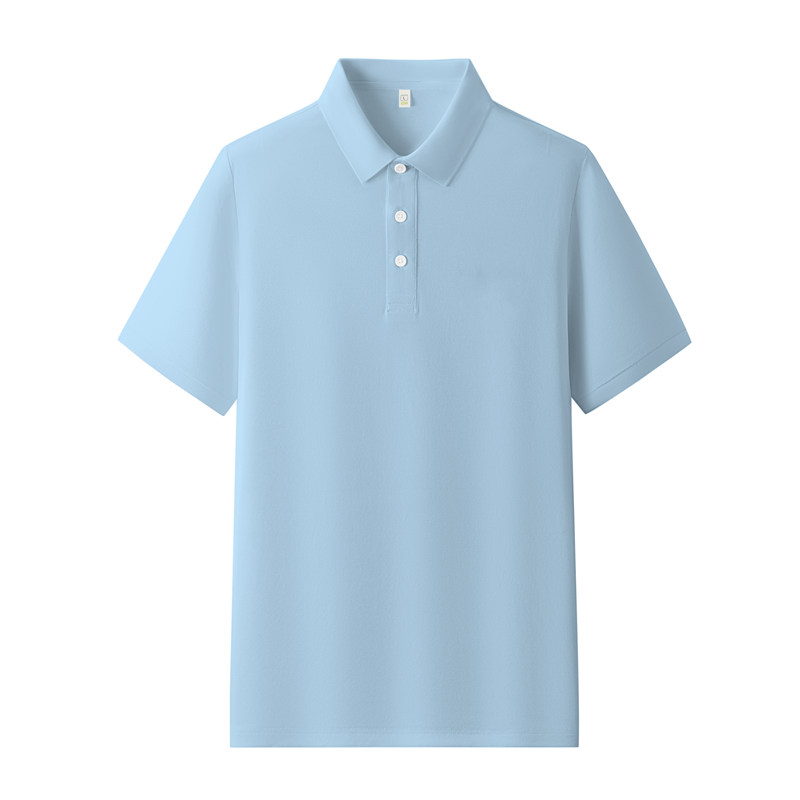

What kind of fabric is generally used for work clothes?
Fabric Selection for Workwear
The choice of fabric for workwear generally depends on factors such as work environment, functional requirements, and comfort. Below are several common types of workwear fabrics and their characteristics:
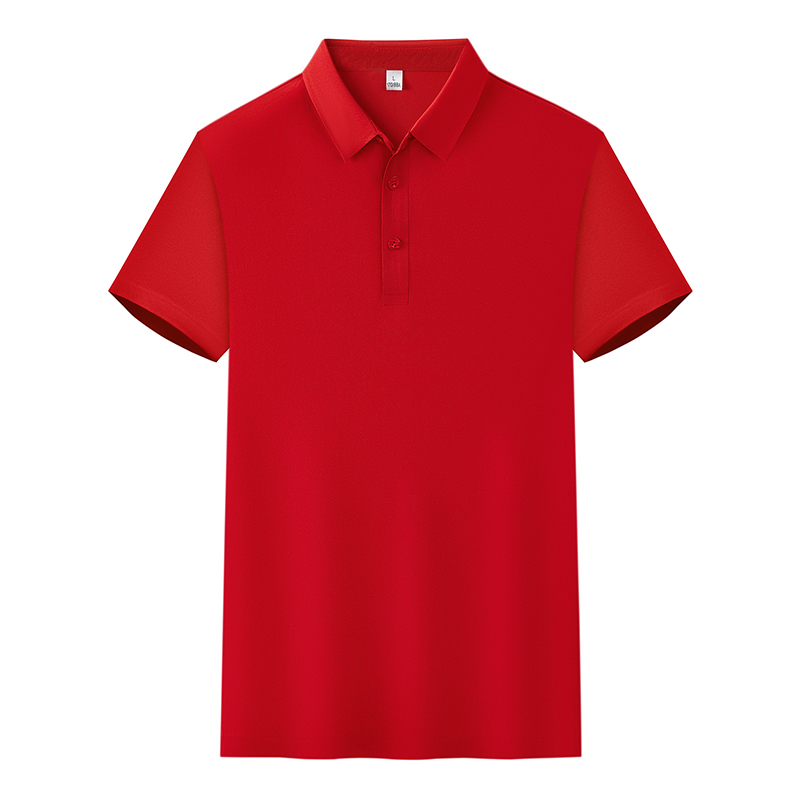
1.100% Cotton
Characteristics: Moisture-absorbent, breathable, soft against the skin, and eco-friendly. However, it wrinkles easily, tends to shrink, and has poor wear resistance.
Suitable Scenarios: Light-duty work environments (e.g., offices, catering services), ideal for jobs where comfort is a top priority.
2.Polyester-Cotton Blend (e.g., TC Fabric)
Common Ratios: 65% Polyester + 35% Cotton (CVC fabric, by contrast, consists of 60% Cotton + 40% Polyester).
Characteristics: Combines the comfort of cotton with the wear resistance of polyester. It is wrinkle-resistant, quick-drying, shrink-resistant, and cost-effective.
Suitable Scenarios: Factories, workshops, and general-purpose daily workwear.
3.Anti-static Fabric
Material Composition: Polyester or cotton blends infused with conductive fibers (e.g., carbon fibers, metal filament7s).
Characteristics: Dissipates static electricity via conductive fibers to prevent electrostatic sparks.
Suitable Scenarios: Electrostatic-sensitive environments such as electronics factories, laboratories, and petrochemical plants.
4.Flame-Resistant (FR) Fabric
Common Materials:
Aramid: e.g., Nomex®—heat-resistant and flame-retardant.
Modacrylic: Contains flame-retardant chemical components.
Flame-retardant Finished Fabric: Regular cotton or polyester treated with flame-retardant agents.
Characteristics: Does not ignite or delays combustion when exposed to fire, protecting the wearer from burns.
Suitable Scenarios: Firefighting, welding, electrical maintenance, and petrochemical industries.
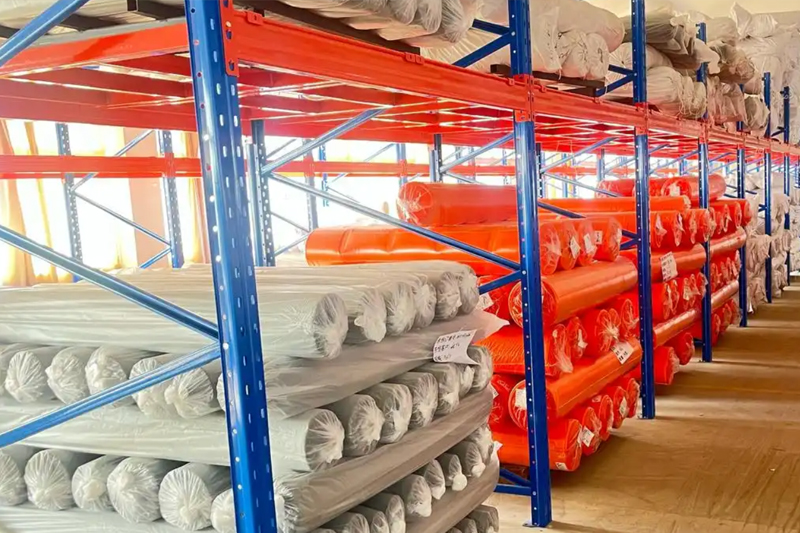
5.Highly Wear-Resistant Fabric
Material Composition:
Canvas: Thick cotton or blended fabric, featuring excellent wear and tear resistance.
Oxford Fabric: Woven from polyester or nylon, lightweight yet durable.
CORDURA® Nylon: Ultra-high strength, suitable for heavy industry or military workwear.
Suitable Scenarios: Construction sites, logistics and warehousing, and outdoor operations.
6.Functional Coated/Laminated Fabric
Types:
Waterproof & Breathable Fabric: e.g., GORE-TEX®—ideal for outdoor or rainy work conditions.
Oil & Water-Repellent Coated Fabric: Surface repels oil and water, allowing for easy cleaning.
Acid & Alkali-Resistant Coated Fabric: Used for protective clothing in chemical plants and laboratories.
Characteristics: Delivers waterproof, stain-resistant, and corrosion-resistant performance through special treatments.
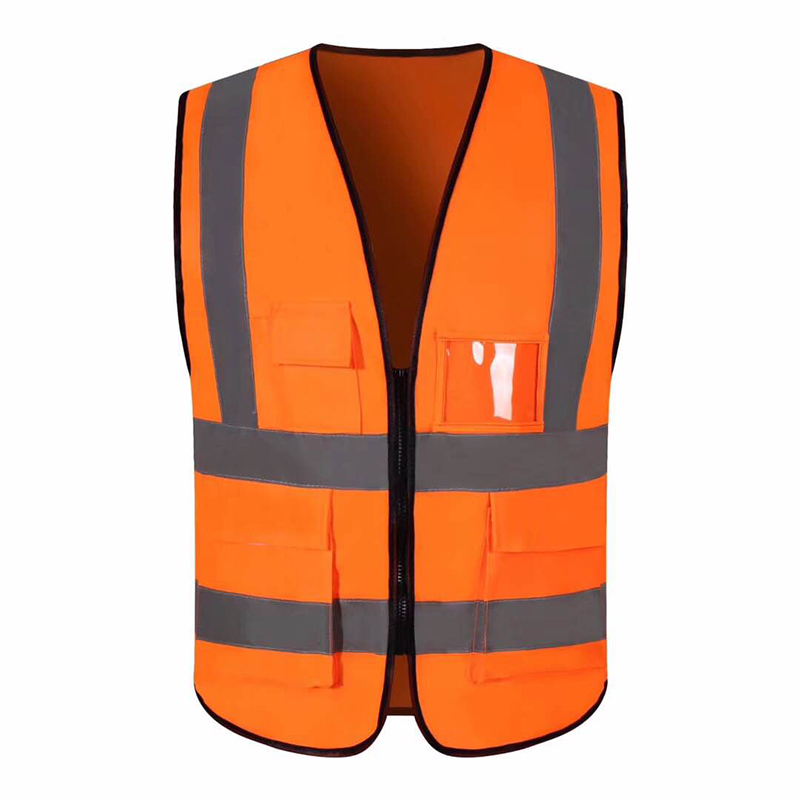
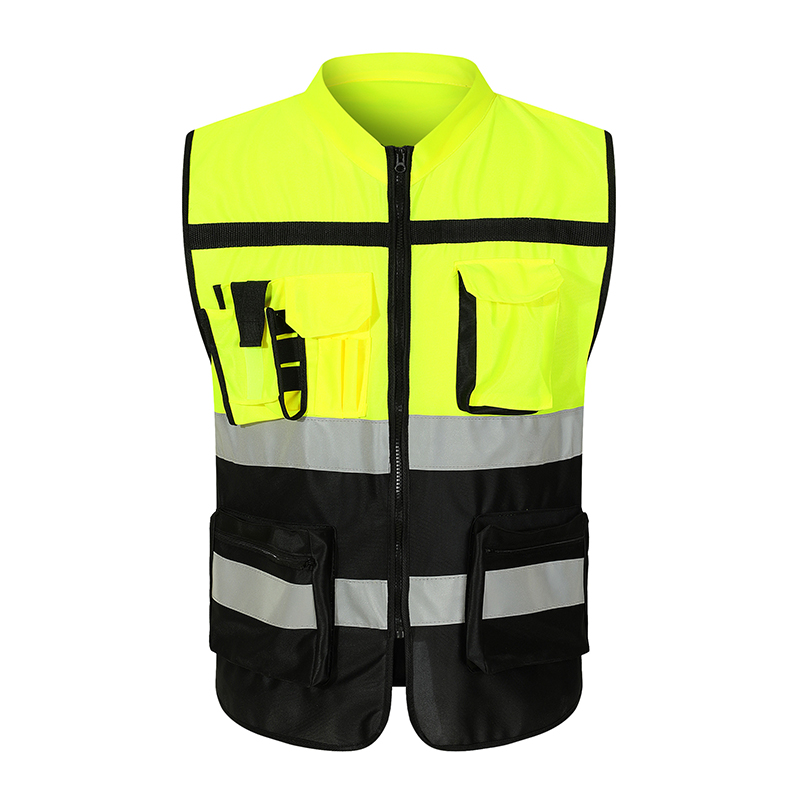
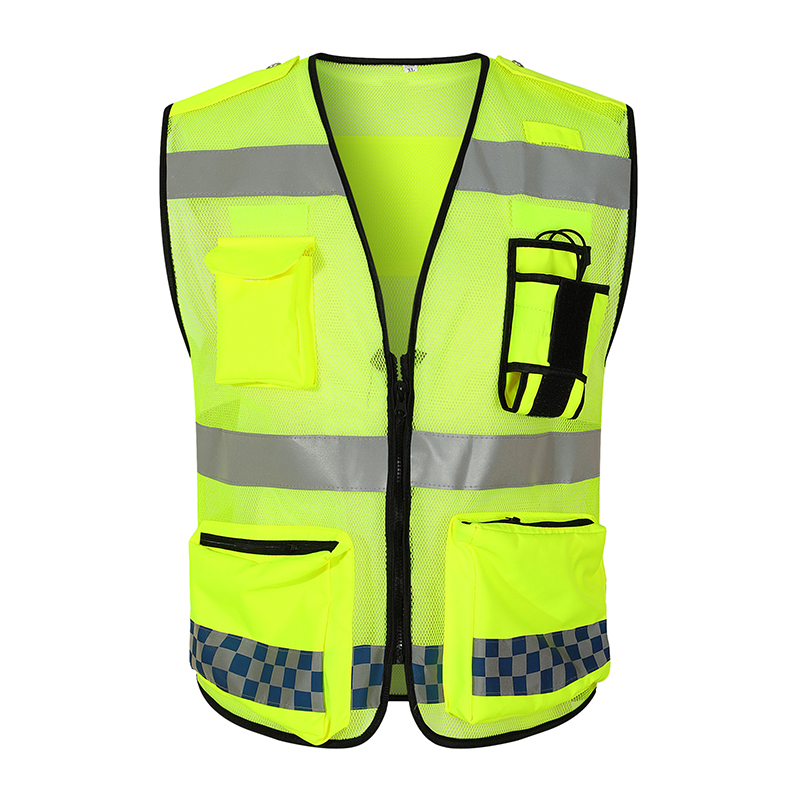
7.High-Visibility Reflective Fabric
Material Composition: Fluorescent polyester or nylon base fabric integrated with reflective strips.
Characteristics: Reflects light under strong illumination, enhancing visibility in nighttime or low-light conditions.
Suitable Scenarios: Traffic police, road construction, and sanitation workers.
8.Antibacterial & Odor-Resistant Fabric
Treatment Methods: Silver-ion coating or blending with antibacterial fibers.
Characteristics: Inhibits bacterial growth and reduces unpleasant odors.
Suitable Scenarios: Medical institutions, food processing, and workwear intended for prolonged wear.