
What factors generally determine the price of custom workwear?
What Factors Usually Determine the Price of Custom Workwear?The price of custom workwear is usually determined by the following factors:
1. Fabric Material
There is a significant price difference between different fabric materials. Among natural fibers, materials like pure cotton are moderately priced, comfortable and breathable to wear, but prone to wrinkling; silk fabric is high-grade, soft and smooth, yet comes with a steep price tag. For synthetic fibers, polyester is crisp, wrinkle-resistant, easy to clean and quick-drying, and relatively inexpensive; while some functional synthetic fabrics—such as those with special properties like water resistance, fire retardancy and anti-static performance—are more costly due to their complex production processes.
2. Style Design
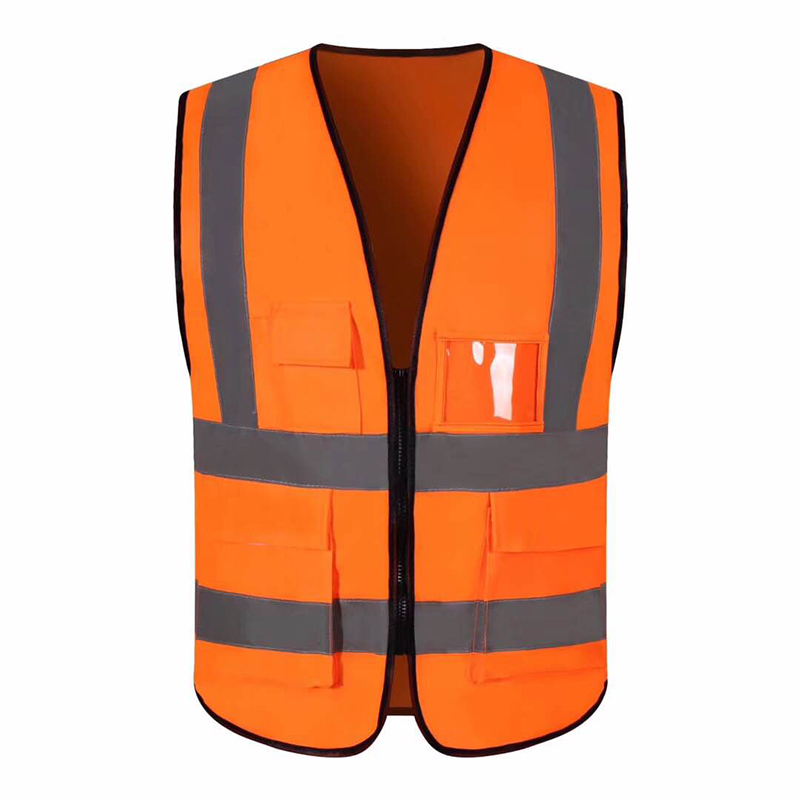
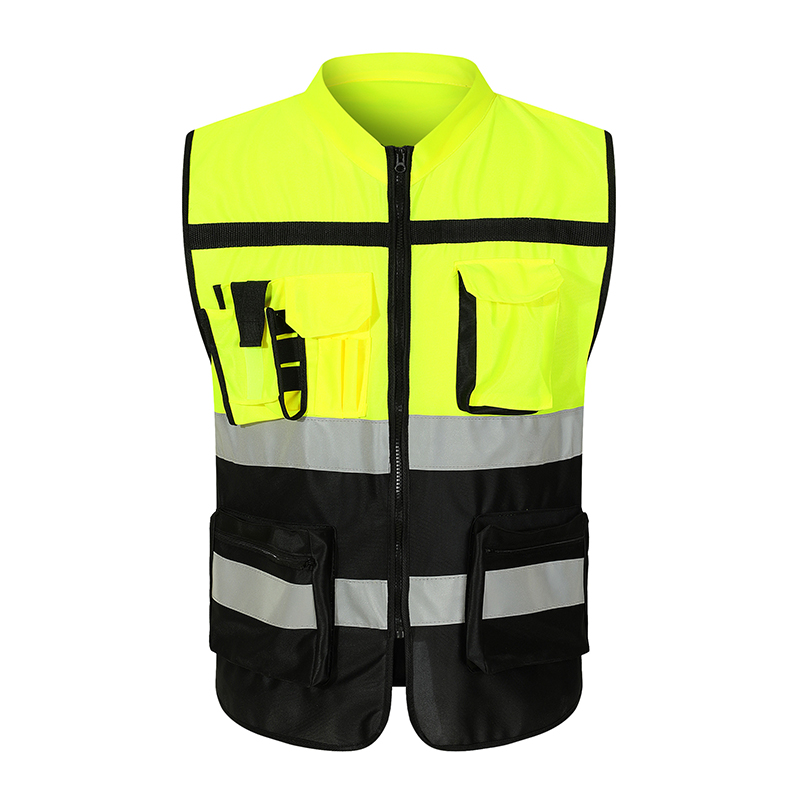
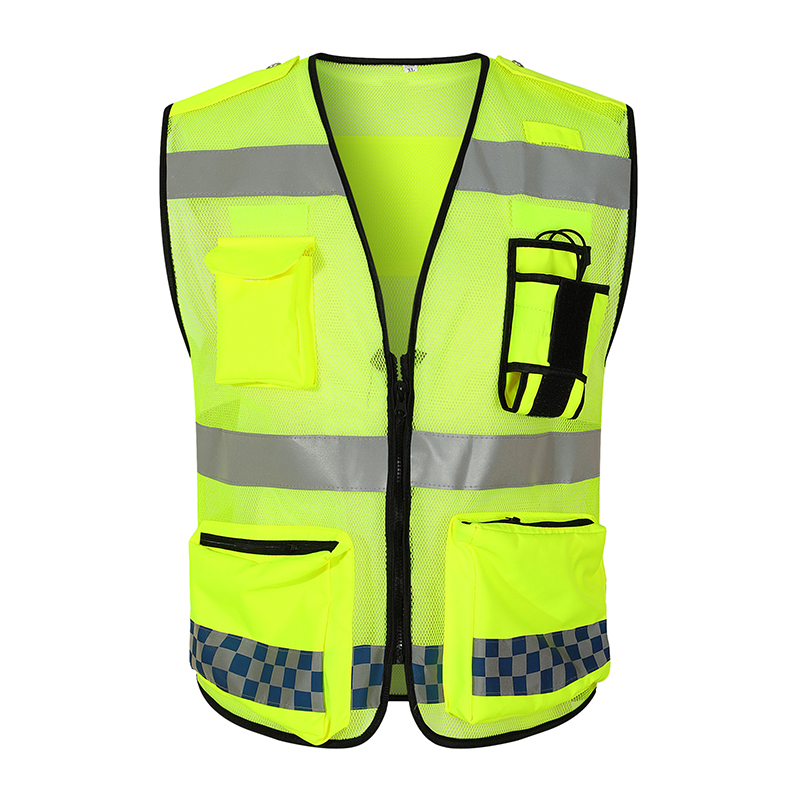
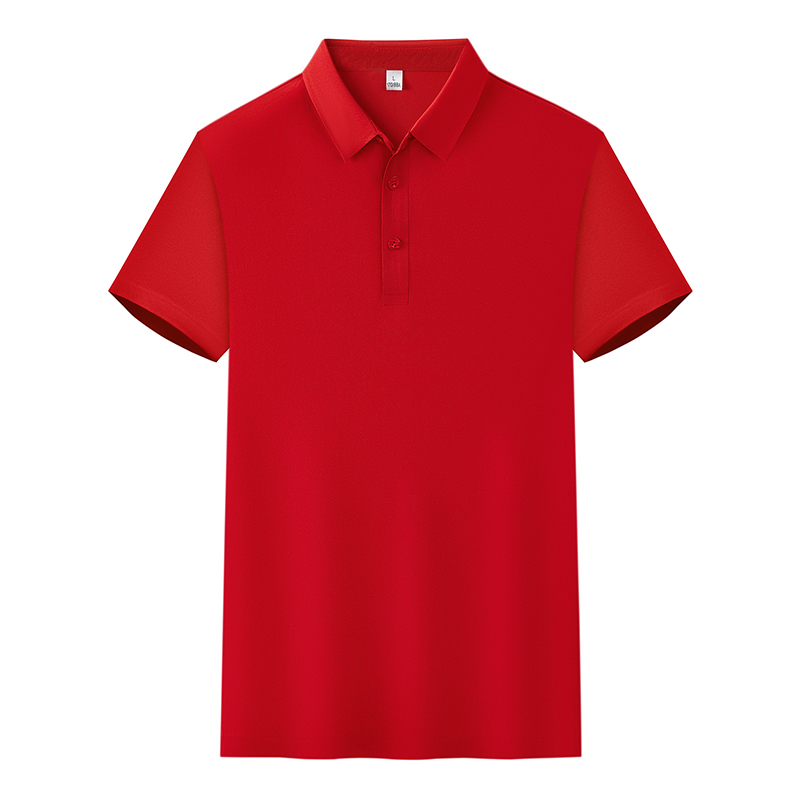
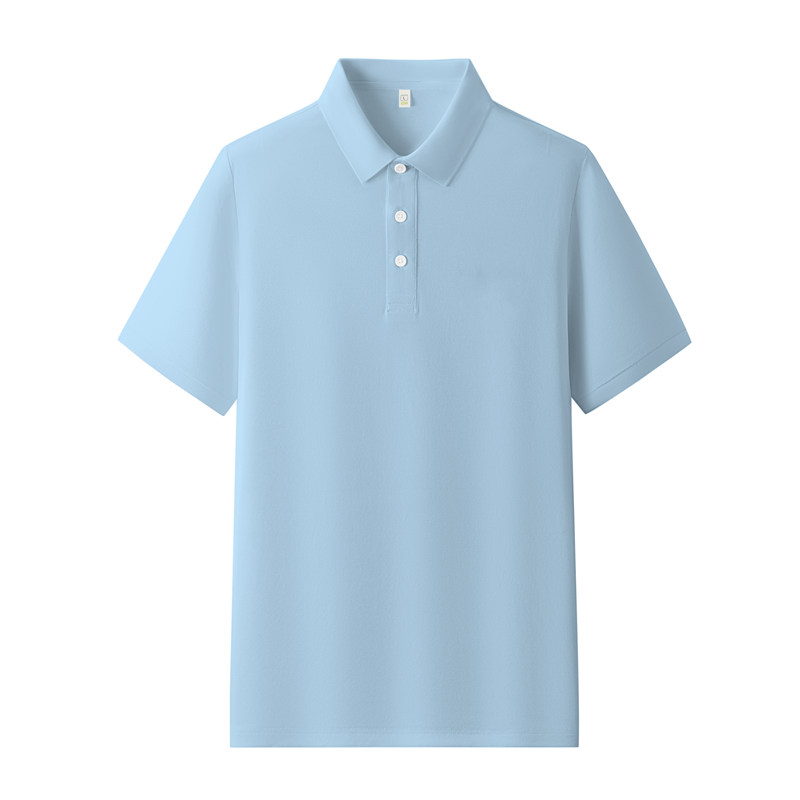
Workwear with simple styles, such as basic T-shirts and shirts, involves relatively straightforward manufacturing processes and thus comes at a lower price. On the other hand, workwear with intricate designs, special tailoring or decorative elements—for example, those featuring elaborate embroidery, splicing, ruffles, or requiring custom pattern making—will be priced higher because they consume more labor and time.
3. Manufacturing Craftsmanship
The level of craftsmanship precision affects the price. For instance, using high-quality sewing threads, sturdy zippers and buttons, as well as fine processes like neat overlocking and professional ironing, will enhance the overall quality of the workwear and accordingly increase its price. In addition, some special manufacturing techniques, such as laser cutting, heat transfer printing and digital printing, will also add to the production costs.
4. Color Count
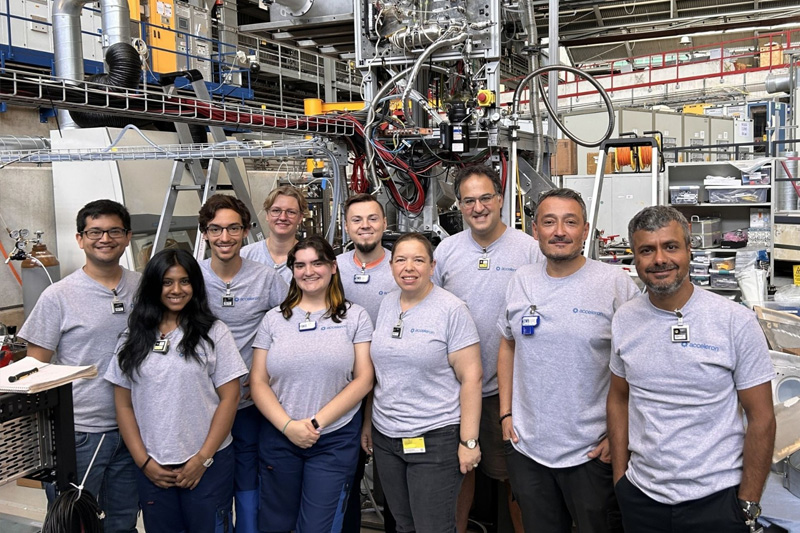
The cost will rise if the workwear requires multiple colors, especially complex color matching or the use of special pigments. This is because the procurement cost of fabrics may vary with colors; moreover, the more colors involved in the printing or dyeing process, the more sophisticated the procedure, which consumes more time and materials.
5. Brand and Quality
Workwear from well-known brands usually adheres to higher standards in fabric selection, manufacturing craftsmanship and quality control. The brand itself also carries certain added value, so the price will be relatively high. Meanwhile, high-quality workwear offers better durability and comfort, which also justifies a higher price point.
6. Custom Quantity
Generally speaking, the larger the custom quantity, the lower the unit price of each workwear piece. This is because mass production can reduce procurement costs, and allocate pattern-making fees and labor costs across more units. Conversely, when the custom quantity is small, the unit price will be higher due to the relatively high fixed costs.
7. Delivery Time
If customers require a shorter delivery time, manufacturers may need to arrange rush production. This may involve additional labor costs, overtime pay, and the priority use of faster logistics methods, all of which will drive up the price.
8. After-sales Service
Some workwear custom manufacturers provide after-sales services, such as free size alterations and product return or exchange services. These services are included in the price, so manufacturers offering more comprehensive after-sales support may charge a slightly higher price for their workwear.