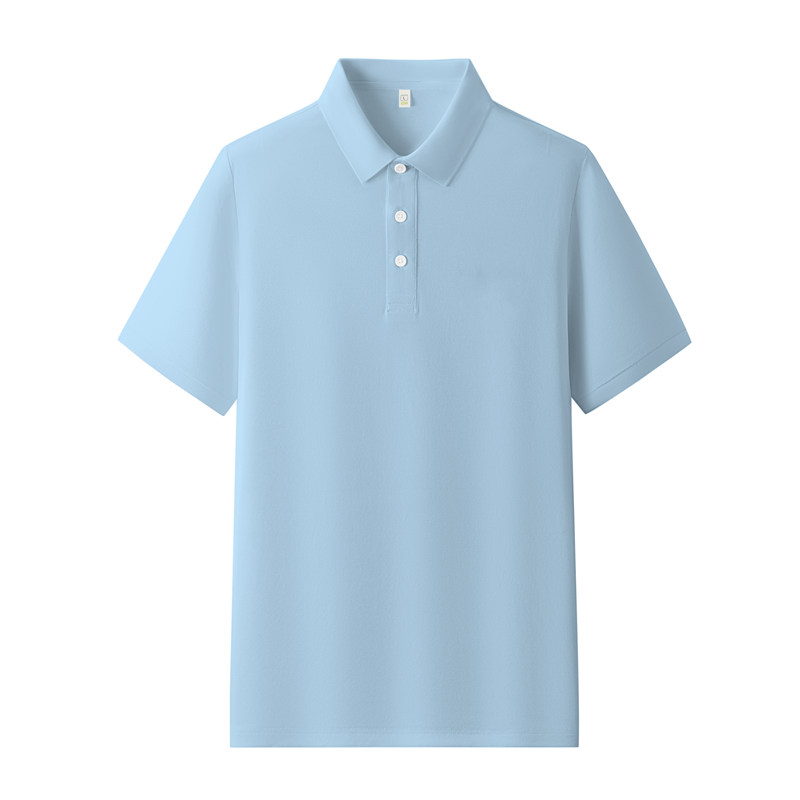

What are the advantages and disadvantages of polyester fabric and nylon fabric?
Advantages and Disadvantages of Polyester Fabric and Nylon Fabric
Polyester Fabric
Advantages
Excellent Wrinkle Resistance: Boasts outstanding elastic recovery, resists creasing, and retains its shape well after washing and wear, eliminating the need for frequent ironing.
Easy to Clean and Quick-Drying: With low hygroscopy, it dries rapidly after washing. Additionally, it requires no ironing or only low-temperature ironing, making maintenance extremely convenient.
Superior Abrasion Resistance: Features high strength and excellent wear resistance, standing up to daily wear and friction for a longer service life.
Structured and Wrinkle-Resistant: The fabric is stiff and structured, maintaining a neat appearance and resisting deformation. It is ideal for making various garments that require shape retention, such as suits and shirts.
Affordable Price: Mature production processes and large output result in relatively low costs, making it reasonably priced and offering high cost performance.
Disadvantages
Poor Hygroscopy: Has low water absorption, causing a stuffy and non-breathable feeling when worn. It also easily generates static electricity, leading the garment to attract dust.
Subpar Comfort: Due to poor hygroscopy and breathability, prolonged wear may cause discomfort, especially in hot and humid environments.
Prone to Pilling: Despite its good wear resistance, the surface of polyester fabric is prone to pilling after long-term use and friction, compromising its appearance.
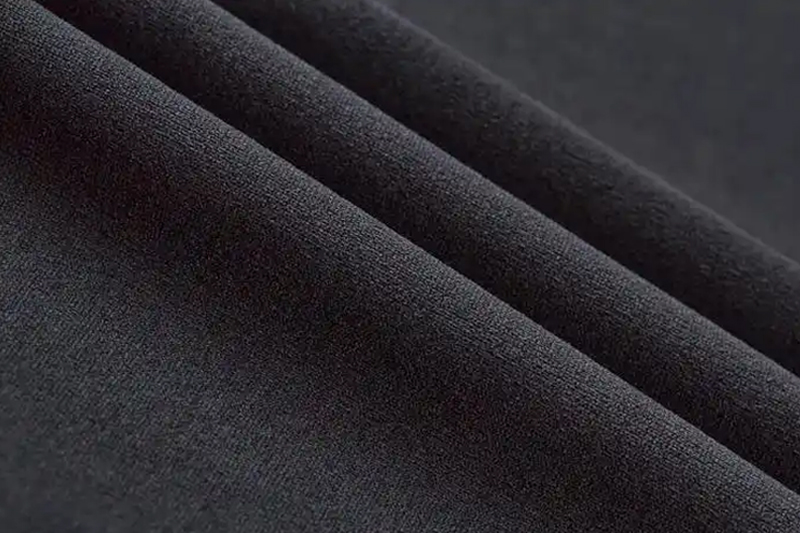
Nylon Fabric
Advantages
Exceptional Abrasion Resistance: Ranks first in wear resistance among natural and chemical fiber fabrics, making it suitable for manufacturing frequently rubbed items such as socks and sports equipment.
Good Hygroscopy: Possesses relatively high hygroscopy among synthetic fibers, capable of absorbing sweat from the skin surface, keeping the wearer comfortable and reducing stuffiness and discomfort.
Excellent Elasticity: Features good elasticity and recovery, adapting to body movements without easy deformation. It fits the body well and allows for free movement.
High Strength: Has high breaking strength, and its strength does not decrease significantly even in a wet state, making it extremely durable.
Disadvantages
Poor Light Resistance: Prolonged exposure to sunlight causes yellowing, brittleness, and reduced strength, so it should not be exposed to direct sunlight for long periods.
Prone to Deformation: Nylon fabric is susceptible to deformation when subjected to excessive external force during wear or washing, requiring careful maintenance.
Acid Intolerance: Has weak resistance to acids; contact with acidic substances may damage the fibers. Therefore, avoid contact with acidic solutions during use and maintenance.