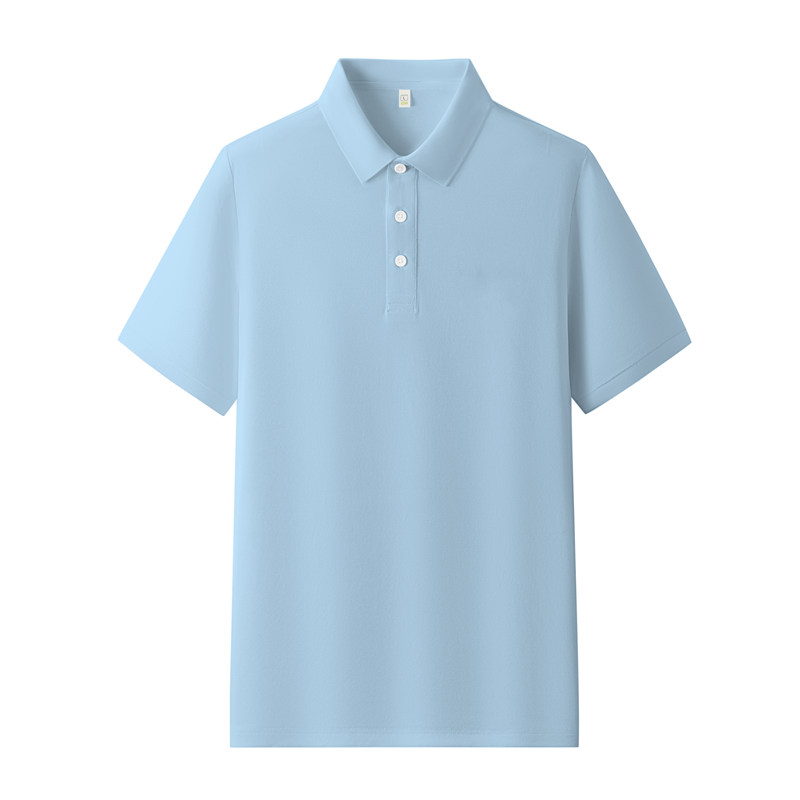

Why customize work uniforms? What are the functions of work uniforms?
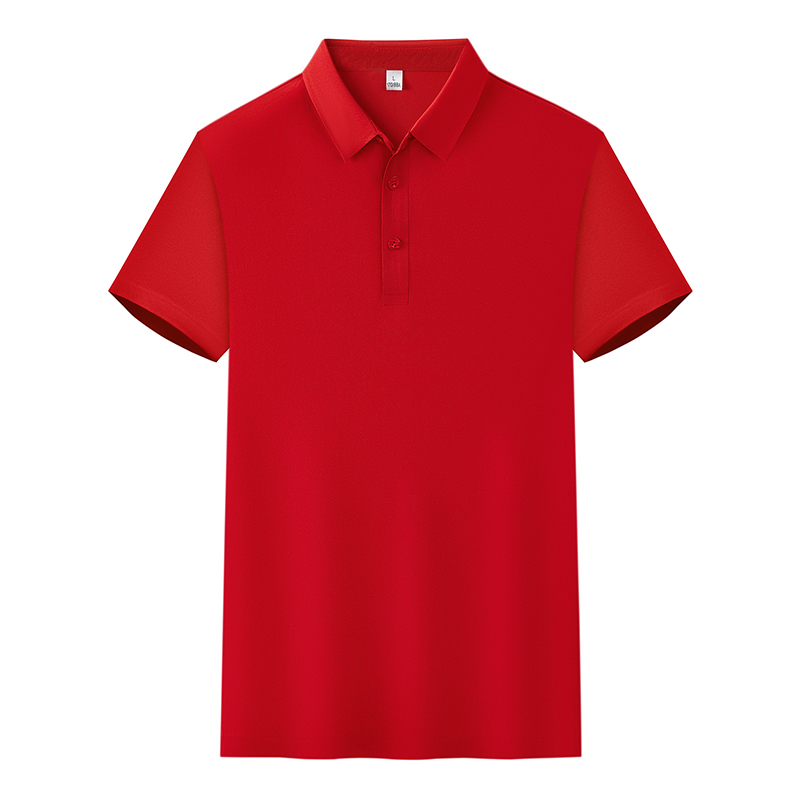
I. In Terms of Corporate Image Building1. Unify Visual IdentityWhen employees wear unified work uniforms, they leave a professional and neat impression on customers, partners and the public. For example, bank staff, from lobby managers to tellers, all wear standardized uniforms. The consistent attire enables customers to perceive the bank's formality and reliability as soon as they step into the hall. Such a unified visual identity helps enhance the enterprise’s market recognition, much like how the military demonstrates its discipline and unity through standardized military uniforms. 2. Strengthen Brand AwarenessWork uniforms can serve as mobile carriers for corporate brand promotion. By incorporating brand elements such as logos, names and signature colors into the uniforms, enterprises can continuously showcase their brand to the outside world. For instance, the prominent brand logos printed on the uniforms of couriers from express delivery companies gain extensive exposure as the couriers travel through streets and alleys to deliver packages. Every time employees appear in public, it presents an opportunity for brand promotion, which helps increase brand visibility and memorability. 3. Reflect Corporate CultureThe style, color and design of work uniforms can reflect an enterprise’s cultural values. For example, an internet company that emphasizes innovation and vitality may opt for fashionable and casual uniform styles with bright and lively colors; in contrast, a traditional financial institution is more likely to adopt a prudent and dignified uniform style dominated by dark colors. Through work uniforms, employees can convey the enterprise’s cultural atmosphere to the outside world, while also strengthening their own identification with the corporate culture.

II. In Terms of Employee Management and Team Building1. Enhance Team BelongingCustom-made work uniforms make employees feel that they are part of the team. Wearing the same attire fosters a sense of collective honor and belonging. Similar to how school uniforms give students a sense of belonging to their school, this feeling of belonging in enterprises helps unite employees’ efforts and improve their loyalty. At large-scale events or team-building activities, unified work uniforms further highlight the team’s integrity and strengthen the connection among employees.
2. Facilitate Workplace ManagementIn the workplace, work uniforms make it easy to distinguish between employees and non-employees. For example, in a factory setting, managers can quickly identify external personnel, ensuring production safety and order. Meanwhile, uniforms of different colors or with distinct identifiers can be used to differentiate employees from various departments, facilitating internal communication and collaboration. Take hospitals as an example: doctors, nurses and nursing assistants can be easily identified by the different colors and styles of their uniforms, allowing patients and their families to quickly find the corresponding service personnel.
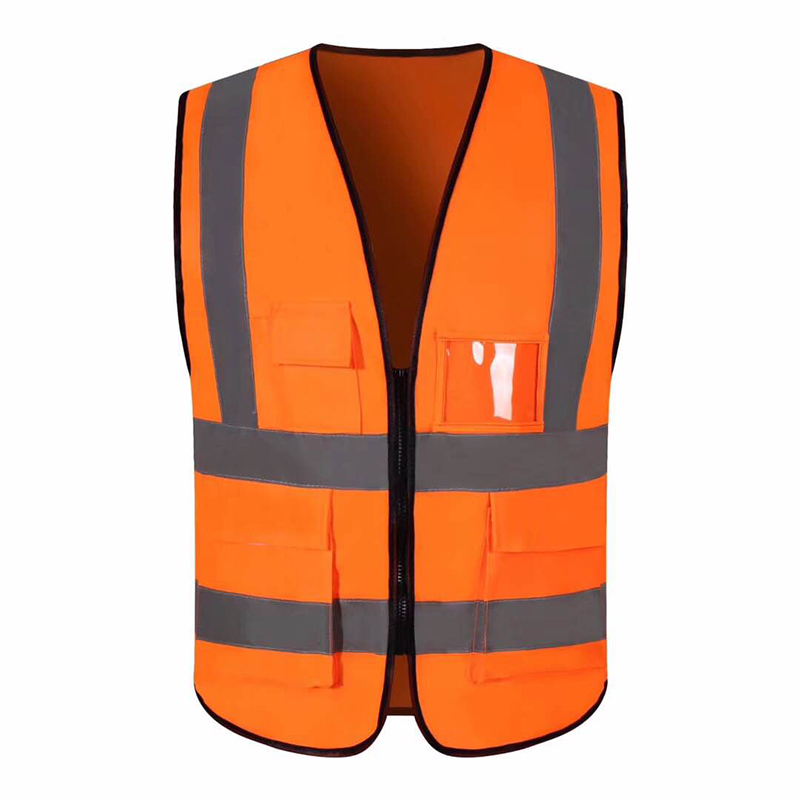
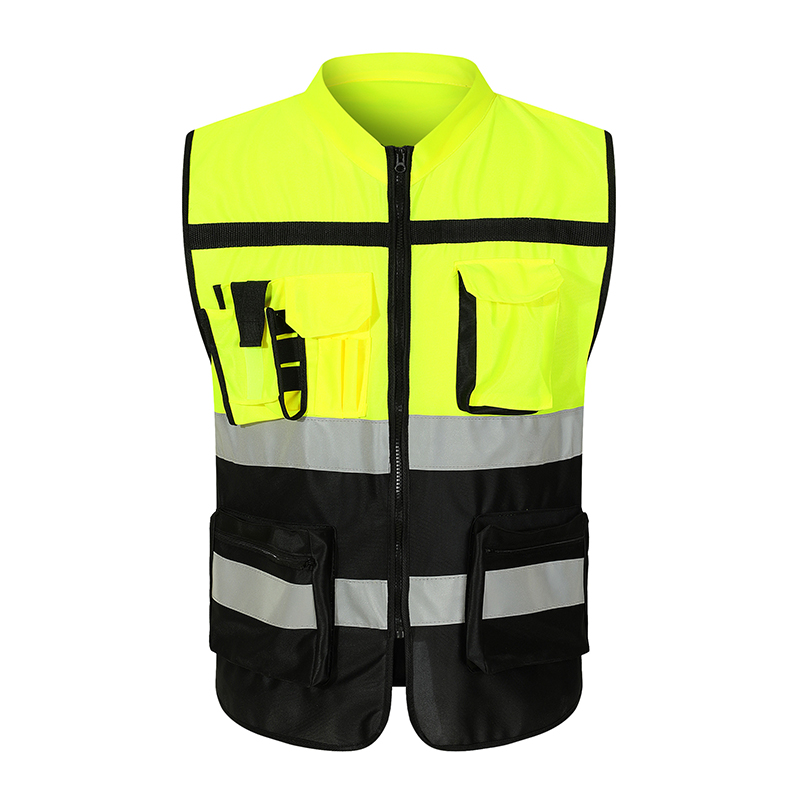
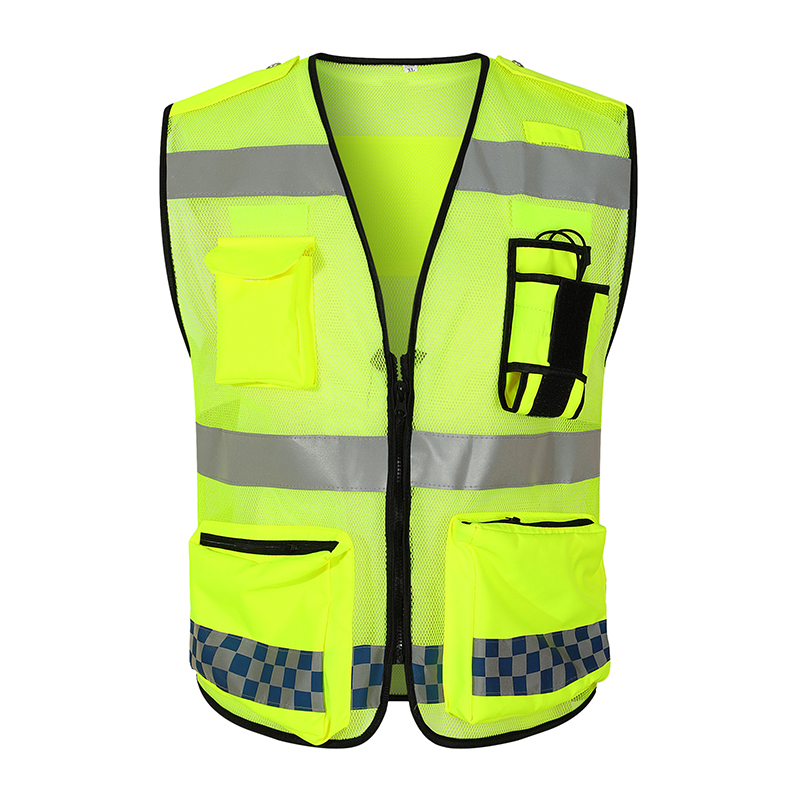
3. Regulate Employee BehaviorPutting on work uniforms helps employees mentally enter a working state and reminds them to abide by the enterprise’s rules and regulations. Since work uniforms represent a professional identity, employees will pay more attention to their words and deeds, maintaining a good professional image. Just as police officers in uniform always keep their duties in mind, enterprise employees wearing work uniforms will also consciously regulate their behavior, thereby improving work efficiency and quality. III. In Terms of Safety and Functionality1. Ensure Employee SafetyIn certain working environments, work uniforms provide employees with essential safety protection. For example, in the construction industry, workers’ uniforms are usually made of wear-resistant, fire-retardant and puncture-proof materials. Safety equipment such as helmets and reflective strips are also integral parts of the work uniforms. These protective measures can significantly reduce the risk of accidents during work. In the chemical industry, work uniforms must also have corrosion-resistant properties to protect employees’ bodies from chemical hazards.
2. Meet Job RequirementsDifferent job positions have distinct functional needs, and custom-made work uniforms can be designed to cater to these requirements. For example, chefs’ uniforms are equipped with multiple pockets for storing tools and seasonings; medical workers’ uniforms are loose-fitting for ease of movement, and easy to clean and disinfect to adapt to the hospital environment; outdoor workers’ uniforms may be water-proof and windproof, ensuring that employees can work normally even in harsh weather conditions.